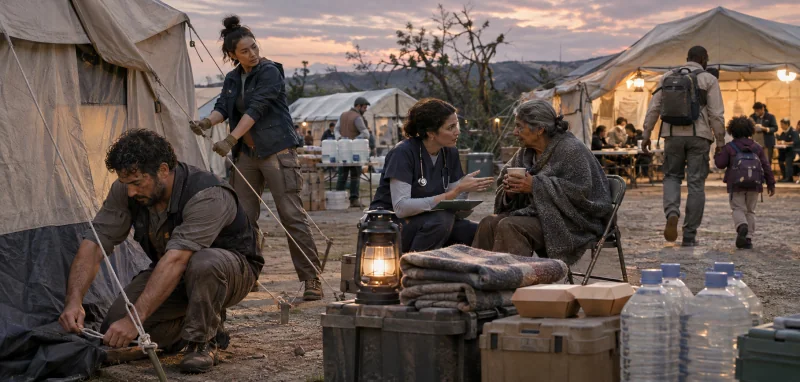
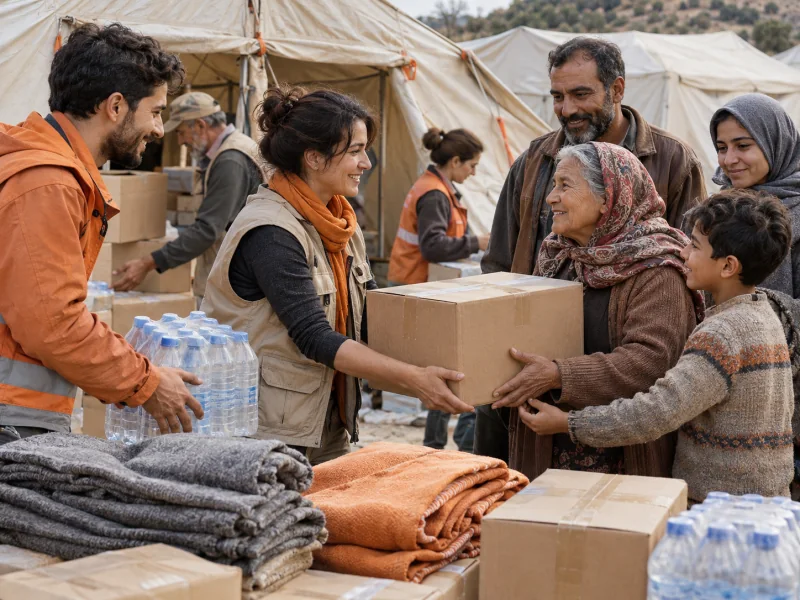
When phones lose service, family members can still follow a plan
Write down contacts, meeting points and check-in order instead of relying on one app.
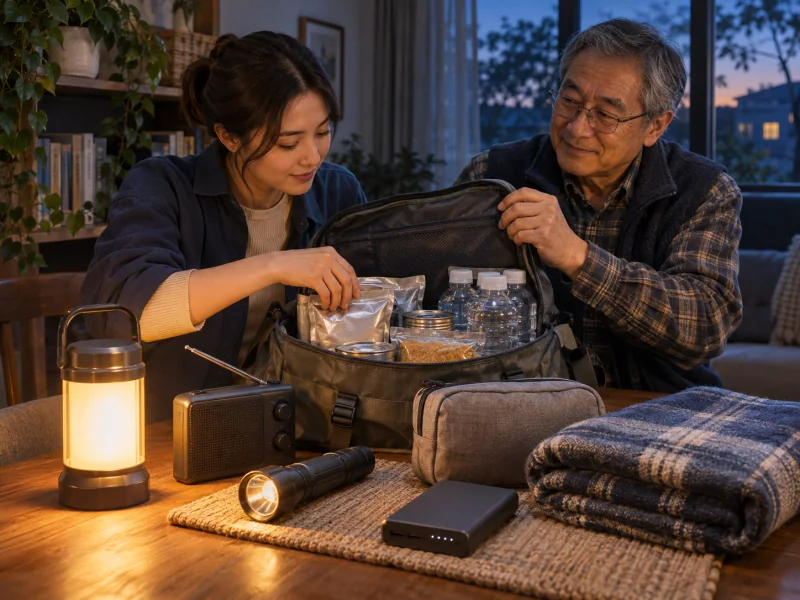
Power loss, congestion, damaged devices or network outages can interrupt familiar group chats. American Red Cross and FEMA communication materials recommend agreeing on meeting places, an out-of-area contact and written information in advance. Whether calls, texts or radios work depends on local networks, equipment and rules, so a plan needs more than one option and a clear point for seeking help. Do not publish the live location of a child, a person seeking help or a family member on a public platform.
Prepare a written contact card
Write household names or familiar identifiers, key phone numbers, an out-of-area contact, public contact details for schools or care settings and two meeting places. Include only what is needed; do not put identity numbers, passwords or full medical histories on a card that could be lost. Check contacts regularly and make sure everyone knows where the card is kept.
Agree on a contact order and brief check-in
For example, each person may contact the out-of-area contact, who then relays information to the household. Use a short format everyone understands, such as name, safe location, help needed and next update time. Do not make someone who cannot use a phone responsible for relaying messages. Agree who will update the plan so unverified information is not passed repeatedly.
Choose meeting points at different distances
Choose one nearby place for a short separation and one backup outside the neighborhood; check whether children and caregivers can reach them. The places must comply with current access rules and should not depend on a facility that may be closed. A meeting point is not a guaranteed refuge or a reason to cross a barrier. Reassess using official instructions during an incident.
Plan for dead batteries and overloaded networks
Learn which information channels local authorities recommend and where schools, workplaces or shelters publish updates. You may prepare a compliant backup power source or radio after checking product instructions, frequencies and local rules. Do not assume any device works through every network failure. Conserve power and avoid repeated calling; the availability of texts, data or broadcasts depends on the event.
Make the plan accessible to children and people needing support
Use plain words, large print, audio or another format the person prefers. Tell children which adults are trusted, how to ask for help and not to leave assigned caregivers alone. Discuss hearing, vision, language, mobility, cognition or medical-device needs with the person and share only the information implementers need.
Verify information before acting when service returns
When service returns, check the issuer, time, affected location and original link. A group-chat message saying “safe” or “open” is not an official all-clear. Tell contacts which official channel you will use. If someone is missing or in immediate danger, contact local emergency services or a trusted humanitarian channel; do not enter a hazardous area to search.
Supply links connect this subject to BEIIU categories. They are commercial references, not endorsements by the organizations cited below.
Questions to prepare for
- Carry a written contact card and choose an out-of-area contact.
- Agree on a nearby meeting place and one outside the neighborhood.
- Avoid repeated calls and public location posts; follow local communication advice.
Public references
Preparation notes based on public resources. No independent clinical or technical expert review is claimed. Follow current local guidance.
Editorial standards ↗