Keep essential records reachable and private
A paper list, protected backups and a clear access plan can reduce confusion.
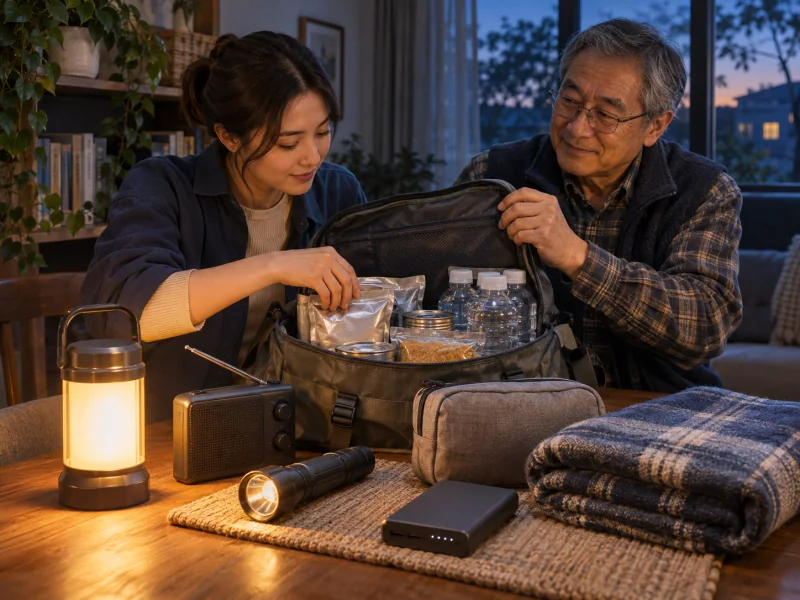
During evacuation, a power cut or network disruption, a household may need contacts, essential care information, insurance or account-service numbers. U.S. CFPB and FEMA checklists recommend organizing key records and keeping copies in separate locations; digital copies should be stored securely. Needs depend on the household, local identity systems and hazard. Keep only what is needed, decide who may access it and do not post identity documents, prescriptions or a precise home address publicly.
Collect records that help the household get care and recover
Depending on the household, useful records may include emergency contacts, medicines and allergies, medical-device instructions, insurance or claims contacts, housing and utility account details, and copies of identity documents. Organizations may require particular evidence; a checklist does not mean copies replace originals or certified records required locally. Confirm records for children, people receiving care and pets with the responsible caregiver.
Make backups usable without exposing sensitive information
Place paper copies in a waterproof pouch or a folder that can be collected quickly, with a secure second location away from home. Store digital records in password-protected storage. If using an offline device, make sure it works and is not kept beside the only originals. Do not put passwords, recovery codes or fully identifying documents in public links, group chats or unprotected removable storage.
Tell a trusted person how to help access the records
If a relative or caregiver may need to help, obtain the person’s consent and specify which records they may see, how to contact them and when obsolete copies should be destroyed. Keep emergency numbers and offline contacts on paper so the plan does not depend on one phone or cloud account. Periodically verify phone numbers, prescriptions and insurance information, and update both paper and digital copies when details change.
Supply links connect this subject to BEIIU categories. They are commercial references, not endorsements by the organizations cited below.
Questions to prepare for
- List the records and emergency contacts the household actually needs.
- Store paper and digital copies separately and keep key numbers reachable offline.
- Limit who can access the records and review their accuracy and permissions.
Public references
- Consumer Financial Protection Bureau · Get Prepared Before a Disaster or Emergency Strikes ↗
- FEMA · Emergency Financial First Aid Kit ↗
- CDC · Stay Connected ↗
Preparation notes based on public resources. No independent clinical or technical expert review is claimed. Follow current local guidance.
Editorial standards ↗