During a chemical emergency, verify whether to leave or shelter
The right action depends on the incident and location; follow local instructions.

In immediate danger or with serious injury, contact local emergency services. This article is not live emergency assistance.
During a chemical release or hazardous-material transport incident, leaving is not always the safest choice; in other situations, staying indoors may be inappropriate. U.S. CDC guidance describes household preparation and actions for its context, but buildings, alert systems and conditions differ around the world. In a real incident, check current instructions from the authority responsible for your area and follow its direction to evacuate or shelter. Do not decide which building to enter or how long to wait based on smell, a social-media screenshot or a chatbot.
Read the location and action in the alert
Check which authority issued the notice, which areas or facilities it covers, when it was updated, and whether it directs evacuation, sheltering or waiting for further information. Different hazards may require opposite actions, and one incident may call for different arrangements by location. If a forwarded screenshot omits the time, area or original link, verify it through the official channel. The absence of an alert is not confirmation that conditions are safe.
Sheltering is not the default for every incident
For some chemical incidents, authorities may direct people indoors and temporarily limit outside air. Other situations may require evacuation. Fire, building damage, a medical emergency or a changed official instruction can alter the response. Do not apply one online “safe room” template to every building, substance or climate. Discuss contacts, medicines and pets with your household in advance, then use local directions during an actual incident.
If directed indoors, keep an information route open
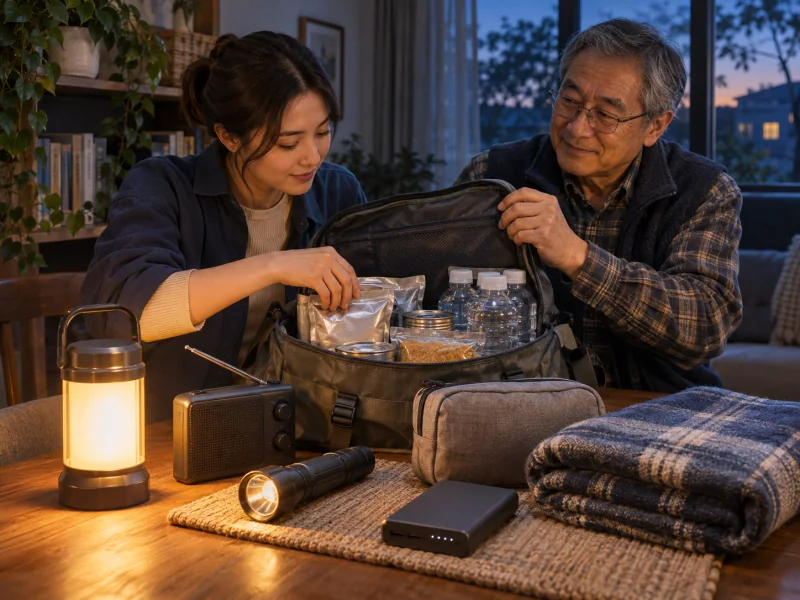
Enter the building or space named by local instructions and follow their direction about doors, windows and ventilation. U.S. CDC household guidance describes closing windows and adjusting ventilation for its setting; buildings and incidents differ elsewhere, so use local fire, civil-protection or public-health instructions. Keep a phone, radio or another available official alert channel accessible. Do not obstruct public access routes while waiting for updates.
Plan how the household will stay connected
Household members may be at school, work, in a vehicle or with a care provider. Keep a contact outside the affected area, agree on a short check-in message, and ask schools and care settings how they officially notify families. Plan medicines, assistive devices, children’s supplies and pets around individual needs. Do not publish full health records, a child’s identity or live location on social media.
Do not approach the release after possible exposure
Do not enter a release area to search for someone, collect belongings or identify a substance. Do not use unverified folk methods on clothing, skin or the environment. Contact local emergency, poison-information or public-health services promptly, explain when and where exposure may have occurred and describe symptoms. Follow responders’ instructions about cleaning, transport and medical assessment. An online article cannot determine that someone is well merely because symptoms are absent.
Wait for an official all-clear before resuming activity
Do not treat a weaker smell, cleared-looking air or a social-media claim that the incident is over as an all-clear. Authorities may issue follow-up directions about leaving shelter, avoiding roads, handling food and water or seeking medical assessment. Check the time and area covered by updates. If you cannot confirm that a notice came from the responsible agency, keep verifying and stay out of restricted areas.
Supply links connect this subject to BEIIU categories. They are commercial references, not endorsements by the organizations cited below.
Questions to prepare for
- Check the issuer, affected area, time and requested action.
- Sheltering and evacuation are not interchangeable; follow current local instructions.
- Contact local emergency medical services after possible exposure or symptoms.
Public references
- CDC · What to Do to Shelter in Place for a Chemical Emergency ↗
- CDC · What to Do in a Chemical Emergency ↗
Preparation notes based on public resources. No independent clinical or technical expert review is claimed. Follow current local guidance.
Editorial standards ↗