When wildfire smoke arrives, plan a cleaner-air room
Reducing indoor smoke exposure depends on staying indoors being safe.
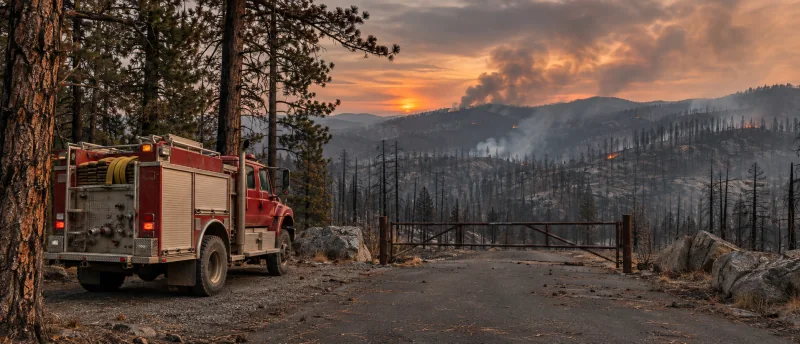
Wildfire smoke can change quickly with wind and weather; smell or visibility alone cannot establish whether outdoor air is safe. U.S. EPA guidance suggests setting up a cleaner-air room when authorities consider it safe to remain indoors. It is not a sealed shelter that works in every building: leave for another safe place if authorities order evacuation, the room becomes too hot, power fails or smoke continues entering. Air-quality indices and warning thresholds differ by country; follow local monitoring and public-health authorities.
Set up a cleaner-air room only when staying indoors is safe
Choose a room where everyone can stay comfortably and reduce open doors and windows, but never block exits or make escape harder. Do not stay in danger to keep filtration running if fire approaches, the building is damaged or authorities order evacuation. If children, older adults, pregnant people or anyone with heart or lung disease lives there, discuss alternate locations and care plans in advance.
Reduce incoming smoke without creating more particles indoors
Use an air cleaner sized for the room and follow its instructions. EPA advises avoiding devices that produce ozone and notes that air-conditioning intake and recirculation settings affect indoor air. Inspect and replace filters as directed. Smoking, candles, frying, aerosol sprays and some combustion appliances add particles or pollutants; do not use an unsuitable combustion device while trying to filter smoke. Buildings and HVAC systems differ, so these steps cannot guarantee smoke-free or fully safe air.
Consider smoke, heat, power loss and evacuation together
Closed windows can make a room hotter; a power outage may affect filtration, cooling and medical devices. Identify a friend’s home, public cleaner-air location or other locally designated place, and consider transport, accessibility and power needs. Monitor official air-quality and fire updates and move if the room becomes unsafe. Do not infer that outdoor air is safe merely because it looks clear or smoke cannot be smelled.
Supply links connect this subject to BEIIU categories. They are commercial references, not endorsements by the organizations cited below.
Questions to prepare for
- Check local air-quality readings, smoke forecasts and evacuation notices first.
- Choose a room that fits the household while keeping doors and exits usable.
- Match filtration to room size and manufacturer guidance; plan for power and replacement filters.
Public references
- US EPA · Create a Cleaner Air Room at Home ↗
- American Red Cross · Wildfire safety ↗
- CDC · Heat and older adults ↗
Preparation notes based on public resources. No independent clinical or technical expert review is claimed. Follow current local guidance.
Editorial standards ↗