Review the Ten Essentials Before Your Day Hike
Even a short hike can go wrong. A quick check of the ten essentials before you leave helps your family stay safe and self-reliant on the trail.
Editorial note: this page was drafted with AI assistance from the cited public sources and has not been professionally reviewed. It is not a substitute for local emergency guidance or medical advice.
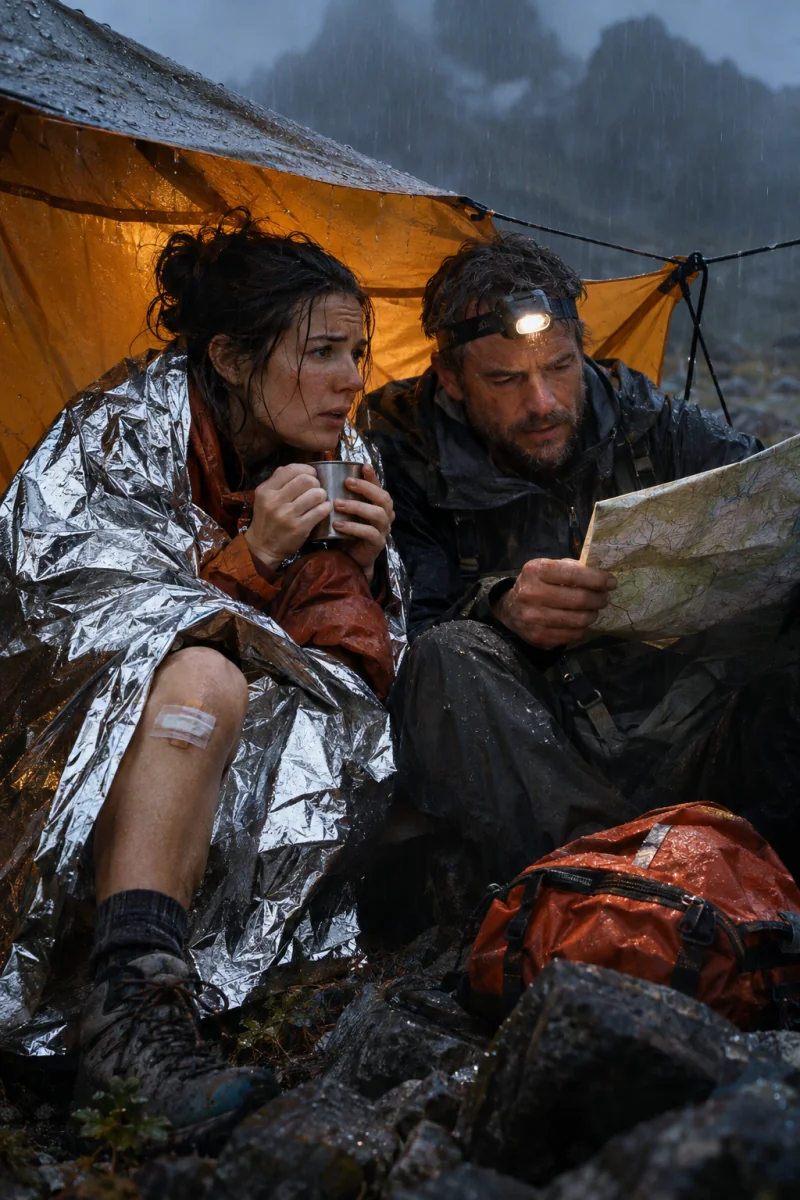
Lay out all ten essentials and confirm each one is present and working.
Even a short hike can go wrong. A quick check of the ten essentials before you leave helps your family stay safe and self-reliant on the trail.
- 01
Lay out all ten essentials and confirm each one is present and working.
- 02
Check batteries, water levels, and food supplies, and replace anything depleted.
- 03
Match your gear to the day's weather and the terrain you expect.
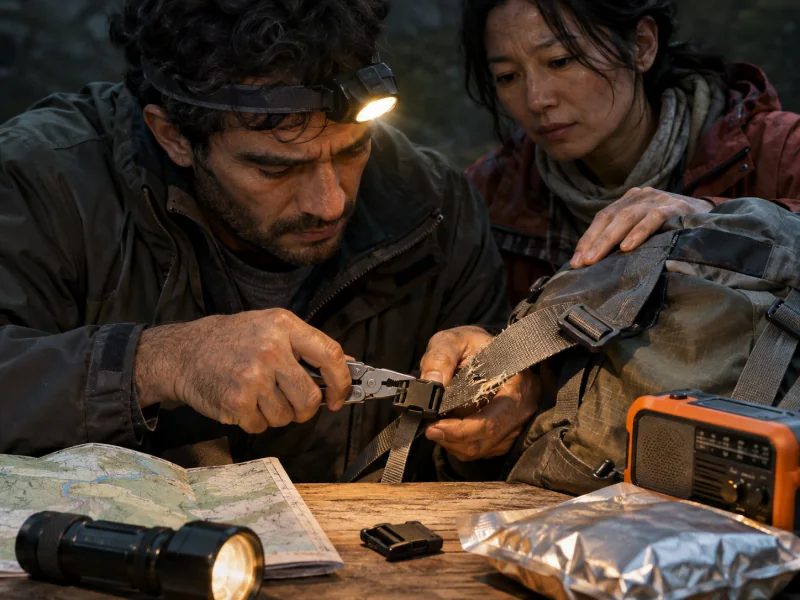
The National Park Service's ten essentials are a simple packing checklist for any outing, not just remote trips. They cover navigation, sun protection, insulation, illumination, first aid, repair tools, nutrition, hydration, emergency shelter, and a way to signal for help. Before a day hike, lay everything out and confirm each item is present, working, and suited to the weather and terrain. Replace dead batteries, refill water, and check that maps and plans match your route. Tell someone where you are going and when you expect to return. Reviewing the list takes minutes and builds good habits for every family member.
Why the List Matters
The National Park Service frames the ten essentials as a system for staying safe outdoors, useful on any trip and not only in the backcountry. A day hike can still bring a turned ankle, a sudden storm, or a wrong turn that takes longer than planned. Carrying the essentials means a small problem stays small. Reviewing the list before you leave turns packing into a habit rather than an afterthought. Families who check together also teach children what to carry and why, so everyone shares responsibility for a safe outing.
What to Check
Go through each category in turn. Confirm navigation tools and a map, sun protection, extra insulation, a light source, a first aid kit, repair items, food, water, and emergency shelter. Add a way to signal for help. Check that batteries work, water bottles are full, and food is fresh. Confirm clothing suits the forecast and that shelter is intact. The National Park Service notes the list should adapt to your activity, location, and season, so adjust rather than copy. Replace worn or expired items before you go.
Before You Leave
Finish with a short routine. Confirm your route and expected return time, and share them with someone who is not hiking. Check the weather forecast and adjust gear accordingly. Make sure phones are charged and that navigation does not depend on a single device. Agree on a meeting point in case your group separates. Keep the essentials packed together so the next review is quick. A few minutes of checking before a day hike supports the same preparedness habits families use at home, and it helps everyone return with a good story instead of a scare.
Supply links connect this subject to BEIIU categories. They are commercial references, not endorsements by the organizations cited below.
Questions to prepare for
- Lay out all ten essentials and confirm each one is present and working.
- Check batteries, water levels, and food supplies, and replace anything depleted.
- Match your gear to the day's weather and the terrain you expect.
- Make sure maps and navigation tools fit the route you have planned.
- Tell a trusted person your route and expected return time.
- Have each family member carry or know how to reach the shared essentials.
Public references
Preparation notes based on public resources. No independent clinical or technical expert review is claimed. Follow current local guidance.
Editorial standards ↗