Seasonal Check: What Lives in Your Car Boot
A car boot kit is a small, low-cost habit. Once a season, open the boot, check what is there, replace what has worn out, and put back what you used.
Editorial note: this page was drafted with AI assistance from the cited public sources and has not been professionally reviewed. It is not a substitute for local emergency guidance or medical advice.
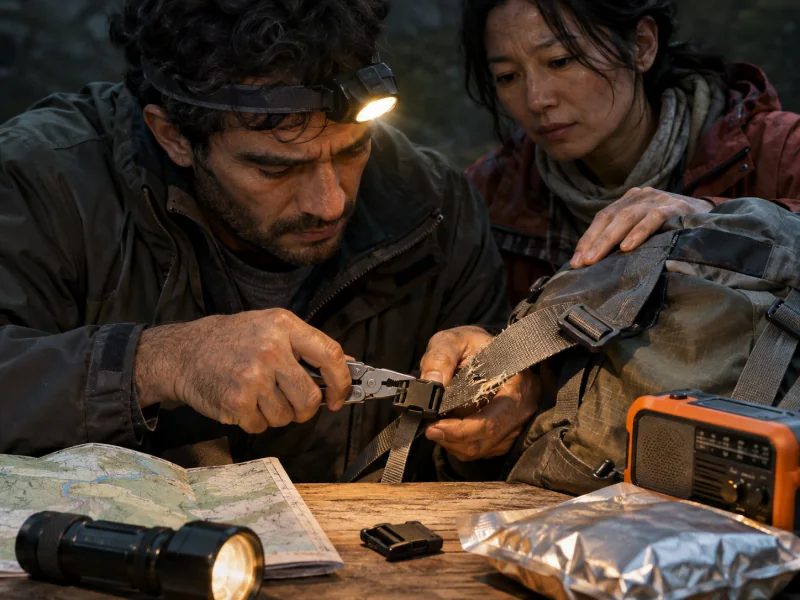
Pick one date each season, such as the first weekend, and check the boot on that day.
A car boot kit is a small, low-cost habit. Once a season, open the boot, check what is there, replace what has worn out, and put back what you used.
- 01
Pick one date each season, such as the first weekend, and check the boot on that day.
- 02
Test the torch and replace any batteries that have leaked or gone flat.
- 03
Replace drinking water and any food items that are past their date.
Most households already carry something useful in the boot: a torch, an old coat, a bottle of water. The problem is that these items sit unchecked for years. Batteries leak, water bottles go stale, and clothes get damp. A short seasonal check keeps the kit reliable without spending much. The National Park Service's Ten Essentials is a simple public checklist for what to carry outdoors, and it works well as a guide for a car kit too. You do not need to buy everything at once. Start with what you own, check it works, and add one item each season.
Why a seasonal check matters
Items left in a car face heat, cold and damp through the year. Batteries can leak, water can go stale and clothing can pick up mildew. A quick check each season catches these problems before you need the kit. It also reminds you what is already there, so you do not buy duplicates. The check takes only a few minutes and costs nothing unless something needs replacing. Treat it like changing the clocks or checking smoke alarm batteries: a small routine that keeps a useful habit alive.
Using the Ten Essentials as a guide
The National Park Service lists ten essentials for time outdoors: navigation, sun protection, insulation, illumination, first aid, fire, repair tools, nutrition, hydration and emergency shelter. You can use the same list to review a car boot without copying it exactly. A paper map, a torch, a warm layer, water and a snack cover much of it. A blanket or foil sheet can serve as shelter if you are stuck. The aim is a modest kit you understand and can check, not a full expedition pack.
Keeping the kit usable
Store items in one or two plain bags so they are easy to find and easy to remove when you need the space. Keep heavy items low and secure so they do not move in sudden braking. Do not leave the kit where it blocks your view or the boot lid. After any trip where you used something, replace it before the next journey. If an item has been in the car for years without use, ask whether it still works and whether you would actually reach for it. Simple, checked items beat a large kit nobody looks at.
Supply links connect this subject to BEIIU categories. They are commercial references, not endorsements by the organizations cited below.
Questions to prepare for
- Pick one date each season, such as the first weekend, and check the boot on that day.
- Test the torch and replace any batteries that have leaked or gone flat.
- Replace drinking water and any food items that are past their date.
- Check that coats and blankets are dry and still fit the people who travel in the car.
- Put back anything you borrowed from the kit before the next trip.
- Keep the kit light enough that it does not block your view or take up passenger space.
Public references
Preparation notes based on public resources. No independent clinical or technical expert review is claimed. Follow current local guidance.
Editorial standards ↗