Food reserves belong in everyday life
Make dates, rotation and dietary needs easy to manage.
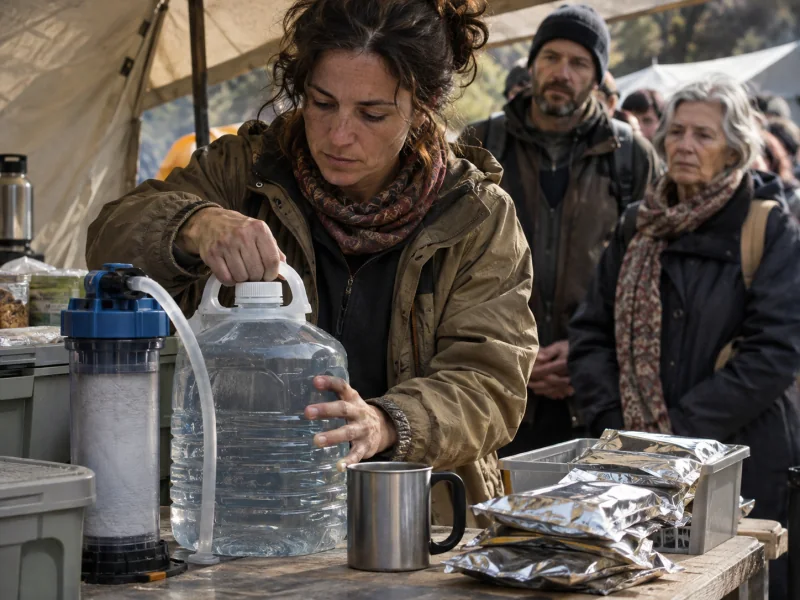
A cupboard of food is not automatically a workable plan. Consider what people eat, how packages open and how storage changes without power. Regular household checks make gaps easier to spot.
Make the inventory understandable
Record category, quantity, dates, location and dietary suitability. Check opening tools, preparation water and hygiene supplies too. Begin with suitable food already at home, build a rotation habit and fill real gaps rather than buying an unfamiliar stockpile.
Keep storage requirements visible
Packaging, temperature, moisture and contamination affect usability. Follow the original label and do not assume opened food retains its original storage conditions. After a power cut, flood or fire, reassess using food-safety guidance rather than checking dates alone.
Use rotation and review
Set a realistic review schedule, replace used items and record changes in allergies or diet. Rotate suitable food into normal meals instead of leaving sealed boxes untouched indefinitely. Revisit the plan when household size, location or transport arrangements change.
Supply links connect this subject to BEIIU categories. They are commercial references, not endorsements by the organizations cited below.
Questions to prepare for
- Check dates and packaging regularly.
- Account for allergies, infants and dietary needs.
- Follow official advice for food affected by flooding or unsafe temperatures.
Public references
Preparation notes based on public resources. No independent clinical or technical expert review is claimed. Follow current local guidance.
Editorial standards ↗