Start with a small growing space
Long-term resilience takes time and practice.
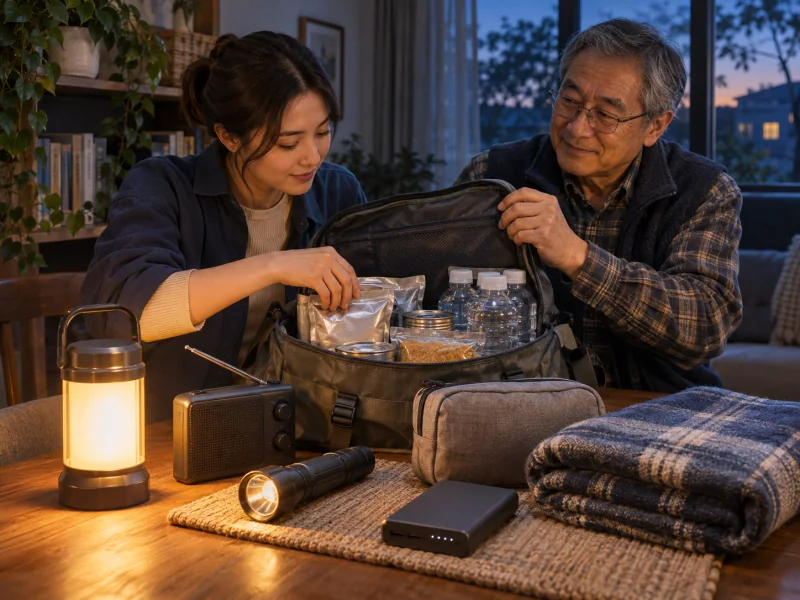
Growing food can be a long-term skill, but it cannot replace immediate emergency supplies. Start with local seasons, sunlight, water and soil or container conditions, then choose a manageable crop.
Understand the growing conditions first
Note sunlight, space, water, local seasons and soil or container conditions. Use local extension resources to select a manageable crop suited to the setting and your experience. A universal planting date or yield promise needs checking against local climate and variety.
Treat growing as a longer-term skill
Start with observation, watering, growth records and learning common problems. Develop tool, care and harvest knowledge gradually. Crops take time and can fail; an unready harvest is not reliable food for an immediate emergency. Plan short-term reserves separately from longer-term growing.
Include soil, water and food handling
Check whether soil and water are suitable, particularly after flooding, contamination or construction. Avoid unknown contaminated materials for food crops. Harvesting and storage still require food-safety knowledge. Ask local specialists about land, water or pesticide concerns.
Supply links connect this subject to BEIIU categories. They are commercial references, not endorsements by the organizations cited below.
Questions to prepare for
- Consult local agricultural or gardening extension resources.
- Understand the growing conditions and water and soil safety.
- Do not rely on an unready harvest for emergency food.
Public references
Preparation notes based on public resources. No independent clinical or technical expert review is claimed. Follow current local guidance.
Editorial standards ↗