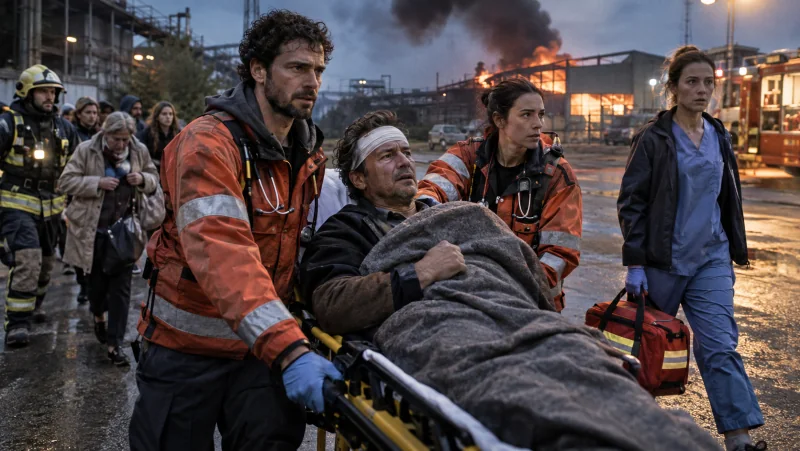
More than a blanket
Familiar people and objects matter in unfamiliar places.
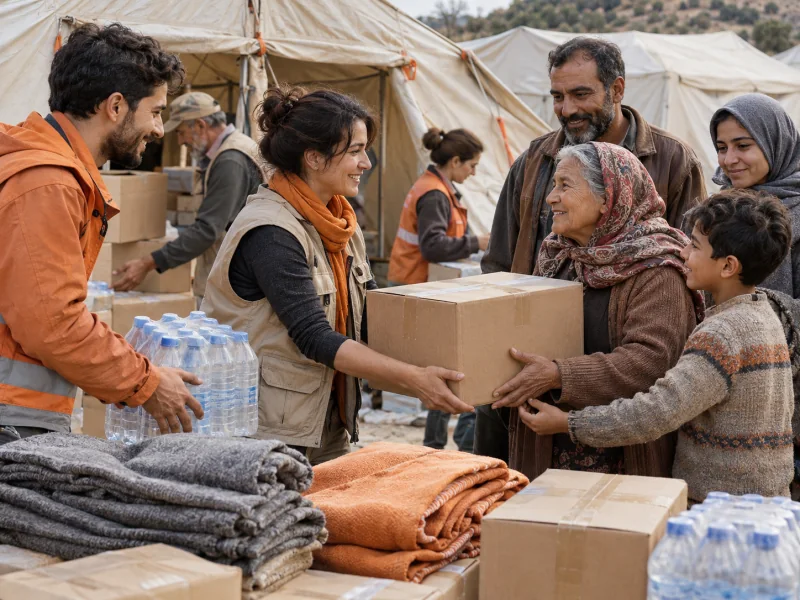
While adults organize practical needs, a child may find it hard to describe fear. Make space to listen, preserve familiar care and limit repeated exposure to frightening coverage. A small familiar toy can have a place in a personal kit.
Use understandable information
Explain where the child is, who is caring for them and what will happen next in age-appropriate language. Allow questions without demanding bravery. Limit repeated exposure to frightening disaster or injury coverage; children do not need every detail adults are following.
Keep small, familiar routines
Where possible, preserve familiar objects, books, caregivers and daily patterns. List children’s food, hygiene and clothing needs specifically. Practise contacts and meeting arrangements in a way the child understands, while keeping personal information private.
When to seek additional support
Reactions differ. Caregivers should notice when ongoing distress affects sleep, eating, learning or ordinary activity. Do not force repeated retelling or treat a product as therapy. Persistent or severe concerns deserve support from qualified local health or mental-health professionals.
Supply links connect this subject to BEIIU categories. They are commercial references, not endorsements by the organizations cited below.
Questions to prepare for
- Use calm, age-appropriate explanations.
- Listen without forcing a child to recount events.
- Seek professional support when ongoing distress affects daily life.
Public references
Preparation notes based on public resources. No independent clinical or technical expert review is claimed. Follow current local guidance.
Editorial standards ↗