When the warning sounds
Civilian communication and care amid air-raid and drone threats.
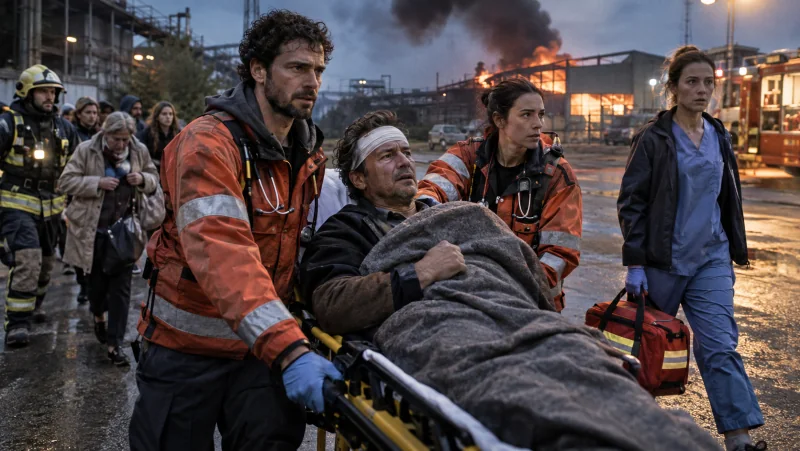
In immediate danger or with serious injury, contact local emergency services. This article is not live emergency assistance.
Buildings, warnings and shelter arrangements differ by place. Look for guidance from local authorities and humanitarian organizations, and record family contacts and care needs. This note provides no universal blast-protection claim or combat instructions.
Find information that applies locally
Verify warning channels, published shelter arrangements, registration and humanitarian contacts. Keep information available offline and note when it was checked. Buildings and cities differ substantially; a location, posture or material shown in a social video is not a universal protection method.
Make communication understandable under stress
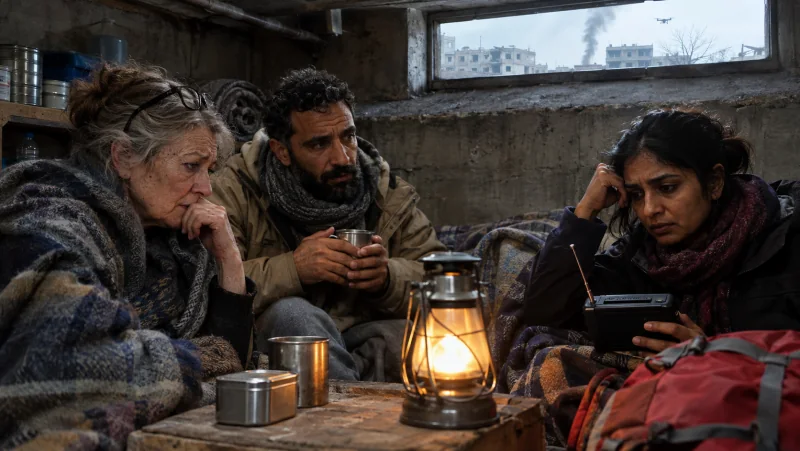
Write down regular and backup contacts, care needs and the location of essential records. Consider separation, language and mobility needs. Keep complete identity records, movements and shelter locations private, sharing only necessary information with the people who need it.
Remain careful after the immediate warning
Silence does not establish that returning is safe. Damaged structures, drone debris and unfamiliar objects can remain hazardous; do not approach, touch or dismantle them. This chapter concerns civilian needs, not weapons or combat. Check current local guidance on movement and return.
Supply links connect this subject to BEIIU categories. They are commercial references, not endorsements by the organizations cited below.
Questions to prepare for
- Use verified local protection and shelter information.
- Back up contacts, identity documents and medicine information.
- Do not approach or touch drone debris or suspicious objects.
Public references
Preparation notes based on public resources. No independent clinical or technical expert review is claimed. Follow current local guidance.
Editorial standards ↗