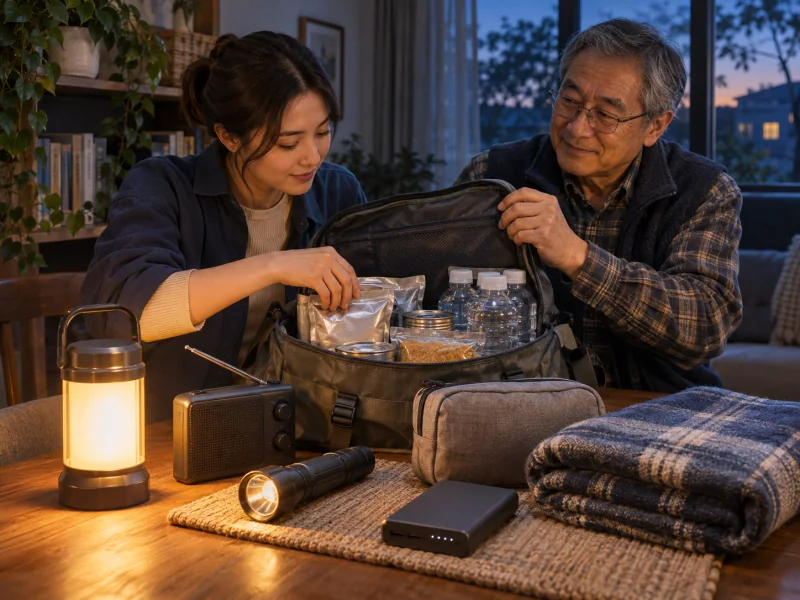
Tsunami readiness near the coast
Know evacuation signs and higher ground before visiting.
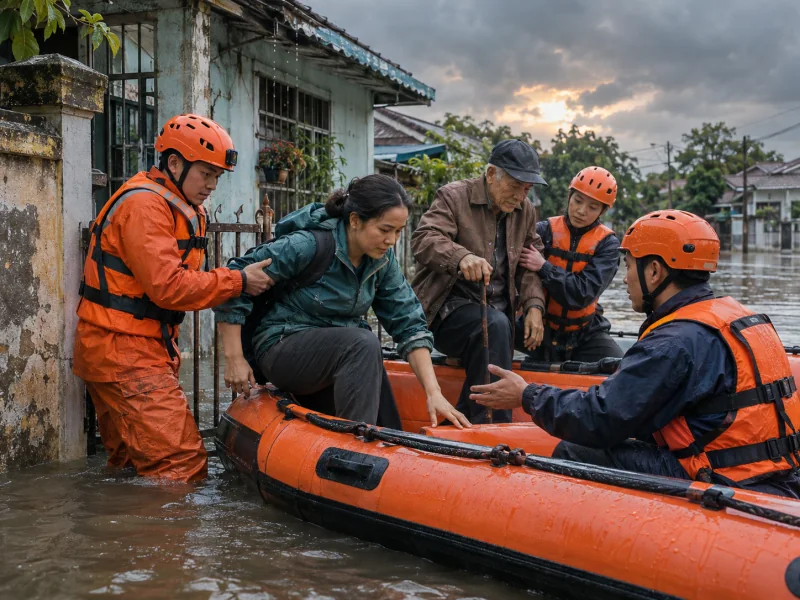
In immediate danger or with serious injury, contact local emergency services. This article is not live emergency assistance.
Tsunami readiness depends on the local coast, routes and warnings. Natural signs may arrive before a formal notice. Do not approach the shore to watch or film after strong or prolonged shaking.
Check signs before going to the coast
Check whether the location is in an evacuation zone, identify signs and designated routes, and discuss mobility support. Ask accommodation staff about arrangements rather than relying only on a phone map.
Take natural signs seriously
Take strong or prolonged coastal shaking, unusual sea changes or a loud ocean roar seriously. Follow local guidance to move to higher ground or inland without waiting to see a wave. A quiet interval does not establish that the danger has ended.
Wait for clearance to return
A tsunami can involve multiple waves, and coastal or waterway hazards do not end automatically after the first. Wait for official return information and maintain care and contact arrangements rather than re-entering for belongings.
Supply links connect this subject to BEIIU categories. They are commercial references, not endorsements by the organizations cited below.
Questions to prepare for
- Check current local guidance and household needs.
- Keep the plan where household members can find it.
- In immediate danger, contact local emergency services.
Public references
Preparation notes based on public resources. No independent clinical or technical expert review is claimed. Follow current local guidance.
Editorial standards ↗