Beyond the fire line
Plan for a temporary departure before it becomes urgent.
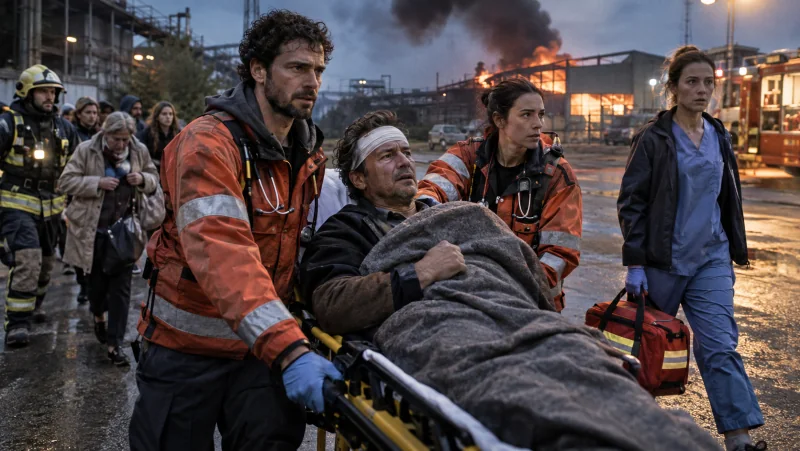
In immediate danger or with serious injury, contact local emergency services. This article is not live emergency assistance.
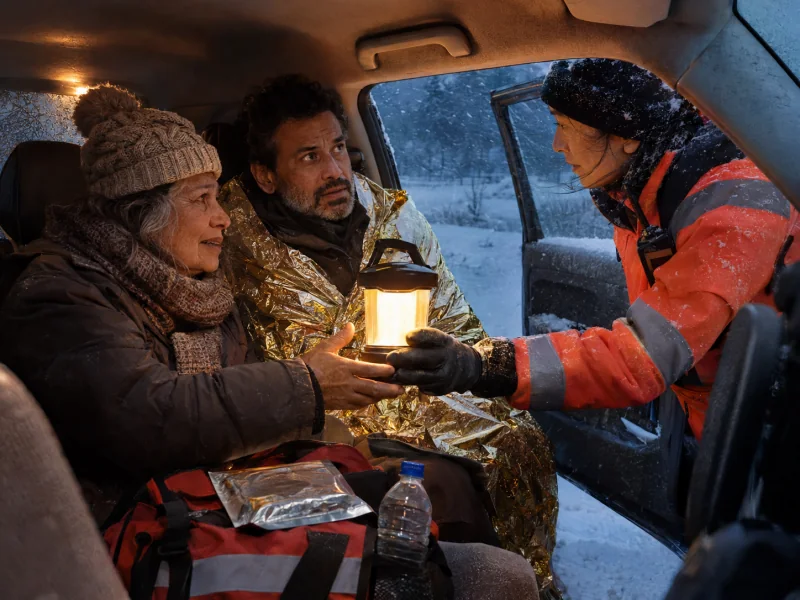
A quiet evacuation can hold many worries: an older person’s pace, a child’s fear or a phone’s remaining charge. Bringing those questions into a household plan makes them easier to discuss ahead of time.
Discuss departure before a warning
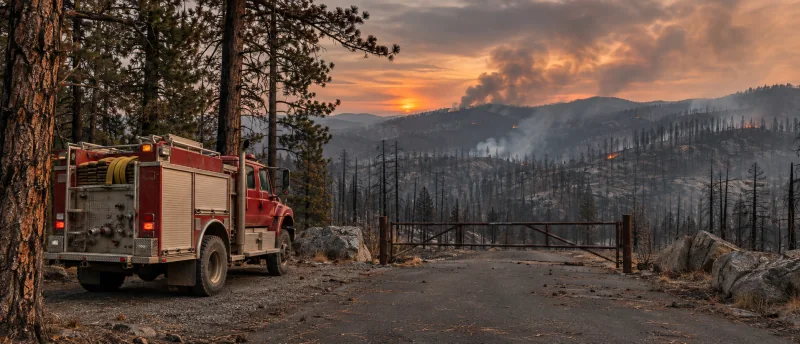
Identify local fire, weather and evacuation information and consider everyone’s mobility. Record transport arrangements, documents, medicine information and pet supplies. Roads and shelter arrangements can change, so assign responsibility for checking current information as part of the plan.
Smoke requires more than a shopping decision
Use local public-health and fire information to assess smoke and movement conditions. Masks, eyewear and air-cleaning equipment have limitations and are not a reason to remain in danger. People with health concerns should discuss personal arrangements with clinicians ahead of time. Do not return for belongings.
Keep checking care after arrival
On arrival, check that everyone is accounted for, water and hygiene needs are covered, and healthcare and registration information can be found. Keep a short record of supplies and documents. Wait for official clearance to return; the absence of visible flames does not establish safety.
Supply links connect this subject to BEIIU categories. They are commercial references, not endorsements by the organizations cited below.
Questions to prepare for
- Know local warning and evacuation information.
- Plan for older adults, children and pets.
- Do not return to danger to recover belongings.
Public references
Preparation notes based on public resources. No independent clinical or technical expert review is claimed. Follow current local guidance.
Editorial standards ↗