Hygiene when running water is disrupted
Plan clean water, hand hygiene and waste separately.
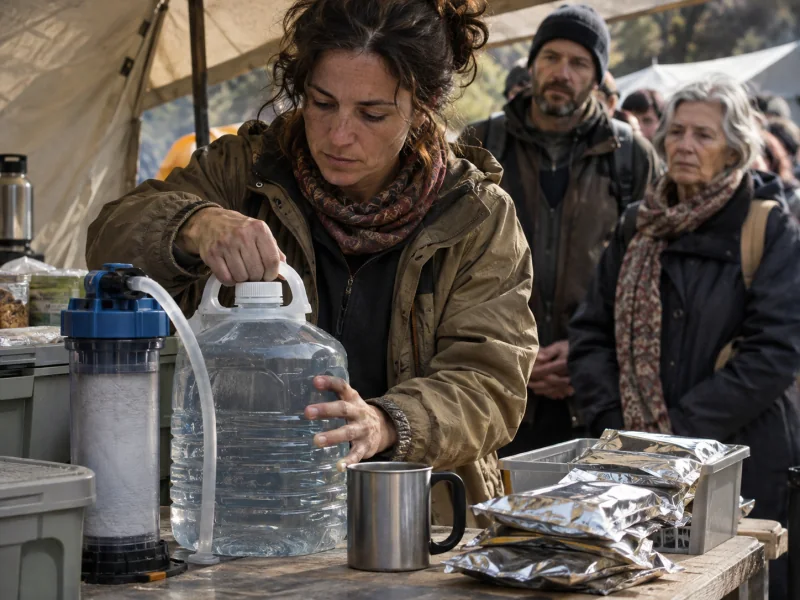
Changes in water and sanitation affect food preparation, childcare and shared living. Check local public-health advice on water and handling rather than judging safety by appearance.
Plan hand hygiene around daily activities
Place hand-hygiene supplies accessibly for food handling, eating, toileting and childcare. Plan soap, reliable water and suitable alternatives for the conditions, using specific public-health advice for visible dirt or contamination.
Separate clean items from contamination
Separate clean containers, food and care items from wastewater, waste and dirty materials, and label their purpose. Temporary toilets and waste handling must fit local arrangements rather than assumptions based on a product name.
Account for different needs in shared spaces
Consider infants, menstrual supplies, accessibility and care assistance while respecting privacy. Record users, replenishment and maintenance responsibilities. Contact local health or medical services if problems develop.
Supply links connect this subject to BEIIU categories. They are commercial references, not endorsements by the organizations cited below.
Questions to prepare for
- Check current local guidance and household needs.
- Keep the plan where household members can find it.
- In immediate danger, contact local emergency services.
Public references
Preparation notes based on public resources. No independent clinical or technical expert review is claimed. Follow current local guidance.
Editorial standards ↗